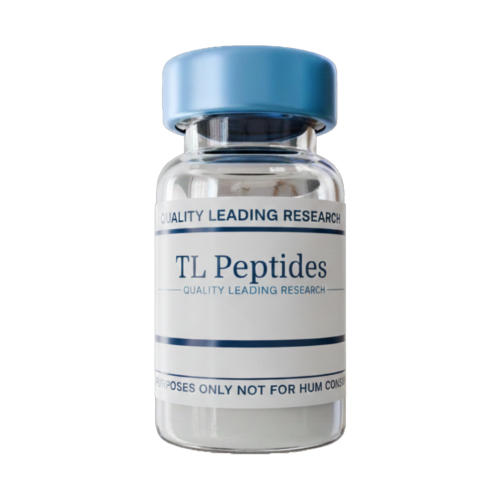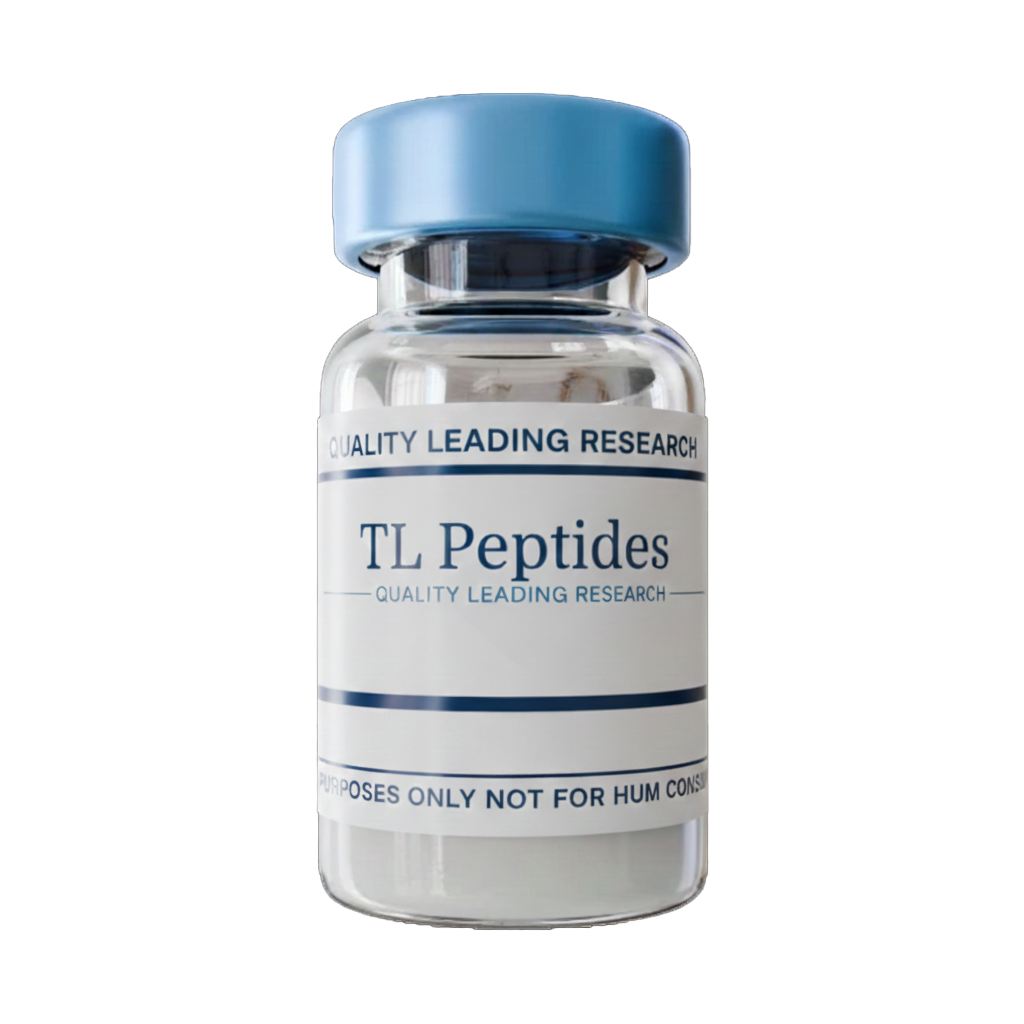
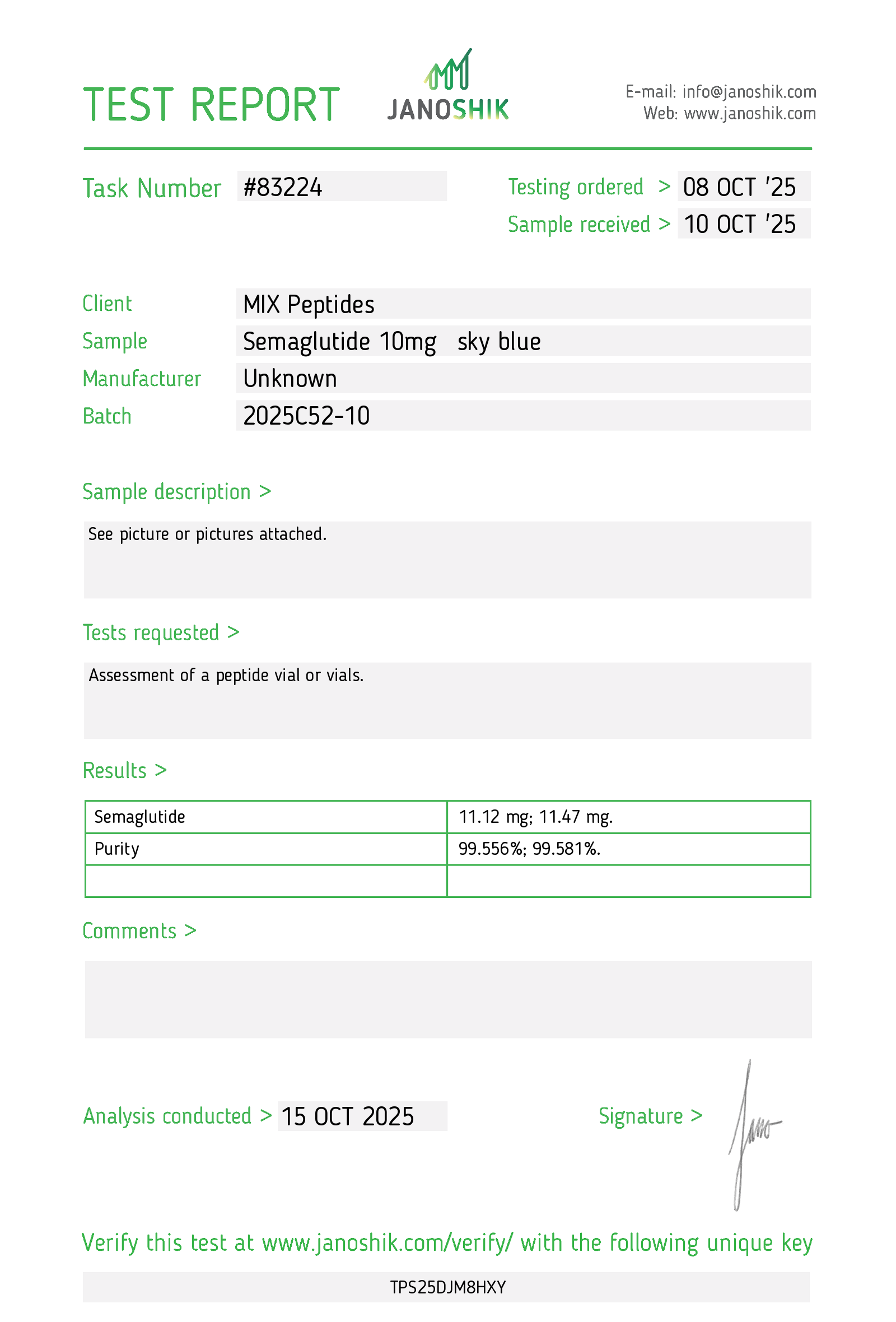
Description
Semaglutide Peptide
Semaglutide is a synthetic peptide that has been investigated in various research studies for its potential effects on glucose metabolism, body weight regulation, and cardiovascular parameters. The compound functions as a glucagon-like peptide-1 (GLP-1) receptor agonist with an extended half-life profile.
Semaglutide is a synthetic analog of human GLP-1 composed of 31 amino acids with structural modifications designed to enhance pharmacokinetic properties. The peptide is approximately 94% homologous to native GLP-1 and incorporates specific amino acid substitutions to resist enzymatic degradation.(1)
Overview
Semaglutide has been investigated for its potential in metabolic regulation through its GLP-1 receptor agonism mechanism. Studies suggest that the peptide may stimulate insulin secretion from pancreatic beta cells in a glucose-dependent manner while modulating glucagon release. The compound appears to bind with GLP-1 receptors expressed throughout various tissues, potentially initiating signaling cascades that influence metabolic function.(2)
Research has explored semaglutide’s action across multiple physiological pathways. The peptide has been studied for its potential effects on glucose homeostasis, body weight regulation, appetite control, and cardiovascular function. Laboratory investigations indicate the compound may influence energy balance through both central and peripheral mechanisms.(3)
Studies have suggested the peptide may enhance beta-cell function and improve markers of insulin sensitivity. The GLP-1 receptor activation appears to provide effects on glucose-dependent insulin secretion, appetite regulation through central pathways, and modulation of gastric motility.(4)
Chemical Makeup
Molecular Formula: C187H291N45O59
Molecular Weight: 4113.58 g/mol
Other Known Titles: GLP-1 analog, NN9535
Research and Clinical Studies
Semaglutide Peptide and Glucose Metabolism
In research studies examining metabolic function, semaglutide was investigated for its potential effects on glucose regulation and insulin secretion. The compound appeared to enhance glucose-dependent insulin secretion, suggesting it may preferentially stimulate insulin release when blood glucose levels are elevated while maintaining a low risk of hypoglycemia during normoglycemic conditions.(5)
Studies utilizing intravenous glucose tolerance tests indicated that semaglutide administration appeared to increase both first- and second-phase insulin secretion. Research suggested that first-phase insulin response increased approximately threefold, while second-phase response increased approximately twofold compared to control groups.(6)
Investigations also suggested that semaglutide may reduce fasting and postprandial glucose concentrations. The peptide appeared to decrease glucagon levels in a glucose-dependent manner, potentially contributing to improved glucose regulation. Research indicated that 24-hour meal tests showed reduced overall glucose responses with semaglutide administration.(6)
Semaglutide Peptide and Beta-Cell Function
A study examining beta-cell function markers in research models with type 2 diabetes investigated semaglutide’s potential effects on pancreatic beta-cell responsiveness. The research suggested that maximal insulin secretory capacity appeared to increase following semaglutide treatment, as demonstrated through arginine stimulation tests under hyperglycemic conditions.(7)
Researchers observed that semaglutide administration appeared to improve insulin secretion rates during graded glucose infusion tests. The compound appeared to increase beta-cell responsiveness to levels comparable to those observed in healthy research participants, suggesting potential protective or restorative effects on beta-cell function.(7)
Research evaluating homeostatic model assessment indices suggested that semaglutide may improve HOMA-B (beta-cell function) while decreasing HOMA-IR (insulin resistance). Studies indicated that fasting proinsulin-to-insulin ratios, which are typically elevated in models with type 2 diabetes, appeared to decrease significantly with semaglutide treatment, supporting potential improvements in beta-cell function.(8)
Investigations into the molecular mechanisms suggested that semaglutide may enhance glucose-dependent insulin biosynthesis and secretion through cAMP-dependent protein kinase A pathways. Research indicated the peptide may activate signaling pathways including PI3K/PKA/mTOR in beta cells, potentially promoting insulin synthesis and secretion.(9)
Semaglutide Peptide and Appetite Regulation
Studies investigating appetite and energy intake suggested that semaglutide may reduce food consumption through multiple mechanisms. Research utilizing ad libitum meal tests indicated that semaglutide appeared to reduce energy intake by 24-39% compared to control groups across various study durations and doses.(10)
Investigations examining participant-reported appetite ratings suggested that semaglutide may reduce hunger while increasing sensations of fullness and satiety. Research indicated improvements in overall appetite suppression scores, with participants reporting reduced prospective food consumption and better control of eating.(11)
Studies exploring food preferences and cravings suggested that semaglutide may influence hedonic aspects of eating behavior. Research indicated that the compound appeared to reduce food cravings and alter preferences, with participants showing lower relative preference for high-fat, energy-dense foods.(12)
Central nervous system research suggested that GLP-1 receptors in brain regions involved in appetite regulation may mediate semaglutide’s effects on food intake. Studies indicated that the compound may access specific areas of the hypothalamus and brainstem, regions critical for controlling hunger and satiety.(13)
Semaglutide Peptide and Body Weight Regulation
Research examining body weight changes suggested that semaglutide may influence weight through reduced energy intake as a primary mechanism. Long-term investigations spanning 68-208 weeks indicated substantial body weight reductions ranging from 9.8% to 15.2% depending on the dose and duration of administration.(14)
Studies examining body composition suggested that semaglutide-induced weight loss appeared to derive predominantly from body fat mass rather than lean mass. Research indicated approximately a threefold greater reduction in fat mass compared to lean body mass, suggesting preferential fat loss.(12)
Investigations into weight loss sustainability suggested that reductions continued over extended periods. Research indicated that weight loss plateaus were reached around 60-65 weeks of treatment, with sustained reductions maintained for up to 4 years in long-term studies.(15)
Semaglutide Peptide and Gastric Emptying
Research examining gastric motility suggested complex temporal patterns of semaglutide’s effects on gastric emptying. Initial studies indicated potential delays in gastric emptying after early doses, though longer-term investigations suggested these effects may diminish over time, potentially due to tachyphylaxis.(16)
Studies utilizing paracetamol absorption tests as indirect measures of gastric emptying reported variable findings depending on treatment duration. Research indicated that while some early-phase delays were observed, longer treatment periods (20 weeks) showed minimal to no significant delays in overall gastric emptying when assessed over 5-hour periods.(17)
Investigations in specific populations suggested that gastric emptying delays may persist in some contexts. Research in models with polycystic ovary syndrome indicated that semaglutide retained approximately 37% of solid meal content in the stomach after 4 hours compared to no retention in control groups.(18)
Semaglutide Peptide and Cardiovascular Outcomes
Research examining cardiovascular parameters suggested that semaglutide may influence multiple markers relevant to cardiovascular health. Large-scale investigations including the SUSTAIN and SELECT trials evaluated cardiovascular outcomes in diverse populations.(19)
The SUSTAIN-6 trial, conducted in research models with type 2 diabetes at high cardiovascular risk, suggested that semaglutide may reduce the rate of major adverse cardiovascular events. Research indicated significantly lower rates of cardiovascular death, nonfatal myocardial infarction, or nonfatal stroke compared to control groups.(20)
The SELECT trial, investigating participants with overweight or obesity and established cardiovascular disease but without diabetes, suggested that semaglutide may reduce cardiovascular risk in non-diabetic populations. Research indicated a 20% reduction in major adverse cardiovascular events, with hazard ratios of 0.80 for the primary composite endpoint.(21)
Investigations suggested that cardiovascular benefits appeared independent of baseline glycemic status. Research analyzing outcomes by baseline HbA1c levels indicated consistent cardiovascular risk reduction across the entire glycemic spectrum, including normoglycemic participants.(22)
Studies examining the relationship between weight loss and cardiovascular outcomes suggested that benefits may extend beyond adiposity reduction alone. Research indicated that cardiovascular event reductions emerged early in trials, potentially suggesting mechanisms beyond weight loss magnitude.(23)
Semaglutide Peptide and Lipid Metabolism
Research examining lipid parameters suggested that semaglutide may influence various aspects of lipid metabolism. Studies indicated potential reductions in total cholesterol, LDL cholesterol, and triglyceride levels with semaglutide administration.(24)
Investigations suggested that systolic and diastolic blood pressure measurements appeared to decrease with semaglutide treatment. Research indicated clinically meaningful reductions in blood pressure that may contribute to overall cardiovascular risk reduction.(19)
Studies examining inflammatory markers suggested that semaglutide may influence pro-inflammatory cytokine levels. Research indicated potential reductions in markers of oxidative stress and inflammation, though the mechanisms underlying these effects require further investigation.(9)
Semaglutide Peptide and Renal Function
Research examining kidney function markers suggested that semaglutide may influence renal parameters. Studies indicated potential improvements in albuminuria and other markers of kidney function in research models with diabetes and chronic kidney disease.(25)
Investigations suggested that semaglutide may reduce the risk of clinically important kidney outcomes. Research indicated potential benefits on composite renal endpoints including sustained decline in estimated glomerular filtration rate, progression to end-stage kidney disease, and death from kidney-related causes.(25)
Semaglutide Peptide and Hepatic Parameters
Studies investigating liver function suggested that semaglutide may influence hepatic fat content and related parameters. Research indicated potential reductions in markers associated with metabolic dysfunction-associated steatotic liver disease.(26)
Investigations examining liver enzymes suggested that semaglutide may improve transaminase levels in research models with elevated baseline values. Studies indicated improvements in hepatic steatosis markers and potential benefits for liver health.(26)
Semaglutide Peptide and Tissue-Specific Effects
Research examining adipose tissue suggested that semaglutide may modulate white adipose tissue browning processes. Studies indicated potential upregulation of uncoupling protein 1 (UCP1) and other markers associated with thermogenic activity, though most supporting evidence derives from preclinical models.(9)
Investigations into skeletal muscle suggested that semaglutide may influence glucose transport through AMPK/SIRT1 activation and GLUT4 upregulation. Research indicated potential effects on mitochondrial biogenesis and anti-inflammatory pathways in muscle tissue.(9)
Studies examining autophagy regulation suggested that semaglutide may influence cellular quality control mechanisms. Research indicated potential activation of autophagy pathways and upregulation of transcriptional responses to oxidative stress.(9)
Semaglutide Peptide and Molecular Signaling
Research investigating intracellular signaling pathways suggested that semaglutide activates multiple downstream cascades following GLP-1 receptor binding. Studies indicated that the compound may increase intracellular cyclic AMP levels through adenylate cyclase activation.(27)
Investigations suggested that elevated cAMP levels may activate protein kinase A (PKA) and exchange protein directly activated by cAMP 2 (EPAC2). Research indicated these pathways may be essential for insulin release and beta-cell function, promoting both immediate insulin secretion and gene transcription changes that enhance beta-cell survival.(27)
Studies examining cardiovascular tissues suggested that semaglutide may stimulate cardioprotective signaling pathways. Research indicated potential activation of PKG/PKCε/ERK1/2 pathways, potentially reducing ischemia-induced apoptosis in cardiomyocytes.(27)
Available for Research Purposes Only
Semaglutide peptide is available for research and laboratory purposes only. Please review and adhere to our Terms and Conditions before ordering.
References
- Lau J, Bloch P, Schäffer L, et al. Discovery of the Once-Weekly Glucagon-Like Peptide-1 (GLP-1) Analogue Semaglutide. J Med Chem. 2015;58(18):7370-7380.
- Nauck MA, Quast DR, Wefers J, Meier JJ. GLP-1 receptor agonists in the treatment of type 2 diabetes – state-of-the-art. Mol Metab. 2021;46:101102.
- Gabery S, Salinas CG, Paulsen SJ, et al. Semaglutide lowers body weight in rodents via distributed neural pathways. JCI Insight. 2020;5(6):e133429.
- Aroda VR, Blonde L, Pratley RE. A new era for oral peptides: SNAC and the development of oral semaglutide for the treatment of type 2 diabetes. Rev Endocr Metab Disord. 2022;23(5):979-994.
- Kapitza C, Nosek L, Jensen L, Hartvig H, Jensen CB, Flint A. Semaglutide, a once-weekly human GLP-1 analog, does not reduce the bioavailability of the combined oral contraceptive, ethinylestradiol/levonorgestrel. J Clin Pharmacol. 2015;55(5):497-504.
- Kapitza C, Zdravkovic M, Hindsberger C, Flint A. Semaglutide improves measures of beta-cell function in subjects with type 2 diabetes. Diabetologia. 2017;60(8):1390-1399.
- Hjerpsted JB, Flint A, Brooks A, Axelsen MB, Kvist T, Blundell J. Semaglutide improves postprandial glucose and lipid metabolism, and delays first-hour gastric emptying in subjects with obesity. Diabetes Obes Metab. 2018;20(3):610-619.
- Blonde L, Jendle J, Gross J, et al. Once-weekly dulaglutide versus bedtime insulin glargine, both in combination with liraglutide and metformin, in patients with type 2 diabetes (AWARD-4): a randomised, double-blind, phase 3 trial. Lancet. 2015;385(9982):2057-2066.
- Pappachan JM, Fernandez CJ, Chacko EC. Spotlight on the Mechanism of Action of Semaglutide. Curr Issues Mol Biol. 2024;46(12):13939-13952.
- Wilding JPH, Batterham RL, Davies M, et al. Weight regain and cardiometabolic effects after withdrawal of semaglutide: The STEP 1 trial extension. Diabetes Obes Metab. 2022;24(8):1553-1564.
- Friedrichsen M, Breitschaft A, Tadayon S, Wizert A, Skovgaard D. The effect of semaglutide 2.4 mg once weekly on energy intake, appetite, control of eating, and gastric emptying in adults with obesity. Diabetes Obes Metab. 2021;23(3):754-762.
- Blundell J, Finlayson G, Axelsen M, et al. Effects of once-weekly semaglutide on appetite, energy intake, control of eating, food preference and body weight in subjects with obesity. Diabetes Obes Metab. 2017;19(9):1242-1251.
- van Bloemendaal L, IJzerman RG, Ten Kulve JS, et al. GLP-1 receptor activation modulates appetite- and reward-related brain areas in humans. Diabetes. 2014;63(12):4186-4196.
- Wilding JPH, Batterham RL, Calanna S, et al. Once-Weekly Semaglutide in Adults with Overweight or Obesity. N Engl J Med. 2021;384(11):989-1002.
- Lincoff AM, Brown-Frandsen K, Colhoun HM, et al. Long-term weight loss effects of semaglutide in obesity without diabetes in the SELECT trial. Nat Med. 2024;30(6):1836-1844.
- Nauck MA, Meier JJ. The incretin effect in healthy individuals and those with type 2 diabetes: physiology, pathophysiology, and response to therapeutic interventions. Lancet Diabetes Endocrinol. 2016;4(6):525-536.
- Hjerpsted JB, Flint A, Brooks A, Axelsen MB, Kvist T, Blundell J. Semaglutide improves postprandial glucose and lipid metabolism, and delays first-hour gastric emptying in subjects with obesity. Diabetes Obes Metab. 2018;20(3):610-619.
- Jensterle M, Rizzo M, Haluzik M, Janez A. Semaglutide delays 4-hour gastric emptying in women with polycystic ovary syndrome and obesity. Diabetes Obes Metab. 2023;25(4):975-984.
- Marso SP, Bain SC, Consoli A, et al. Semaglutide and Cardiovascular Outcomes in Patients with Type 2 Diabetes. N Engl J Med. 2016;375(19):1834-1844.
- Marso SP, Daniels GH, Brown-Frandsen K, et al. Liraglutide and Cardiovascular Outcomes in Type 2 Diabetes. N Engl J Med. 2016;375(4):311-322.
- Lincoff AM, Brown-Frandsen K, Colhoun HM, et al. Semaglutide and Cardiovascular Outcomes in Obesity without Diabetes. N Engl J Med. 2023;389(24):2221-2232.
- Lingvay I, Deanfield J, Kahn SE, et al. Semaglutide and Cardiovascular Outcomes by Baseline HbA1c and Change in HbA1c in People With Overweight or Obesity but Without Diabetes in SELECT. Diabetes Care. 2024;47(8):1360-1369.
- Lincoff AM, Deanfield J, Kahn SE, et al. Semaglutide and cardiovascular outcomes by baseline and changes in adiposity measurements: a prespecified analysis of the SELECT trial. Lancet. 2025;405(10455):935-947.
- Nauck MA, Muus Ghorbani ML, Kreiner E, Saevereid HA, Buse JB; PIONEER 4 investigators. Effects of semaglutide on beta-cell function and glycaemic control in participants with type 2 diabetes. Diabetologia. 2019;62(5):808-818.
- Perkovic V, Tuttle KR, Rossing P, et al. Effects of Semaglutide on Chronic Kidney Disease in Patients with Type 2 Diabetes. N Engl J Med. 2024;391(2):109-121.
- Newsome PN, Buchholtz K, Cusi K, et al. A Placebo-Controlled Trial of Subcutaneous Semaglutide in Nonalcoholic Steatohepatitis. N Engl J Med. 2021;384(12):1113-1124.
- Drucker DJ. Mechanisms of Action and Therapeutic Application of Glucagon-like Peptide-1. Cell Metab. 2018;27(4):740-756.
Additional information
| Size | 10mg |
|---|