Description
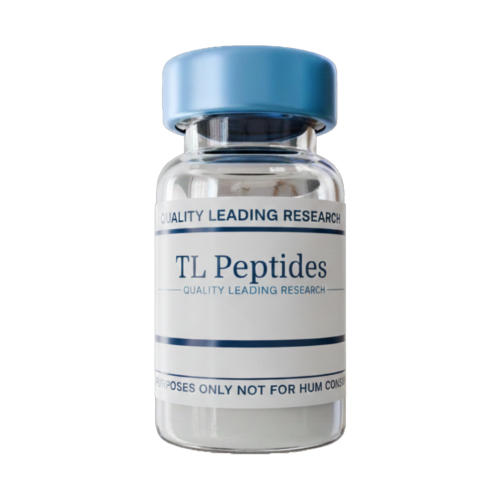
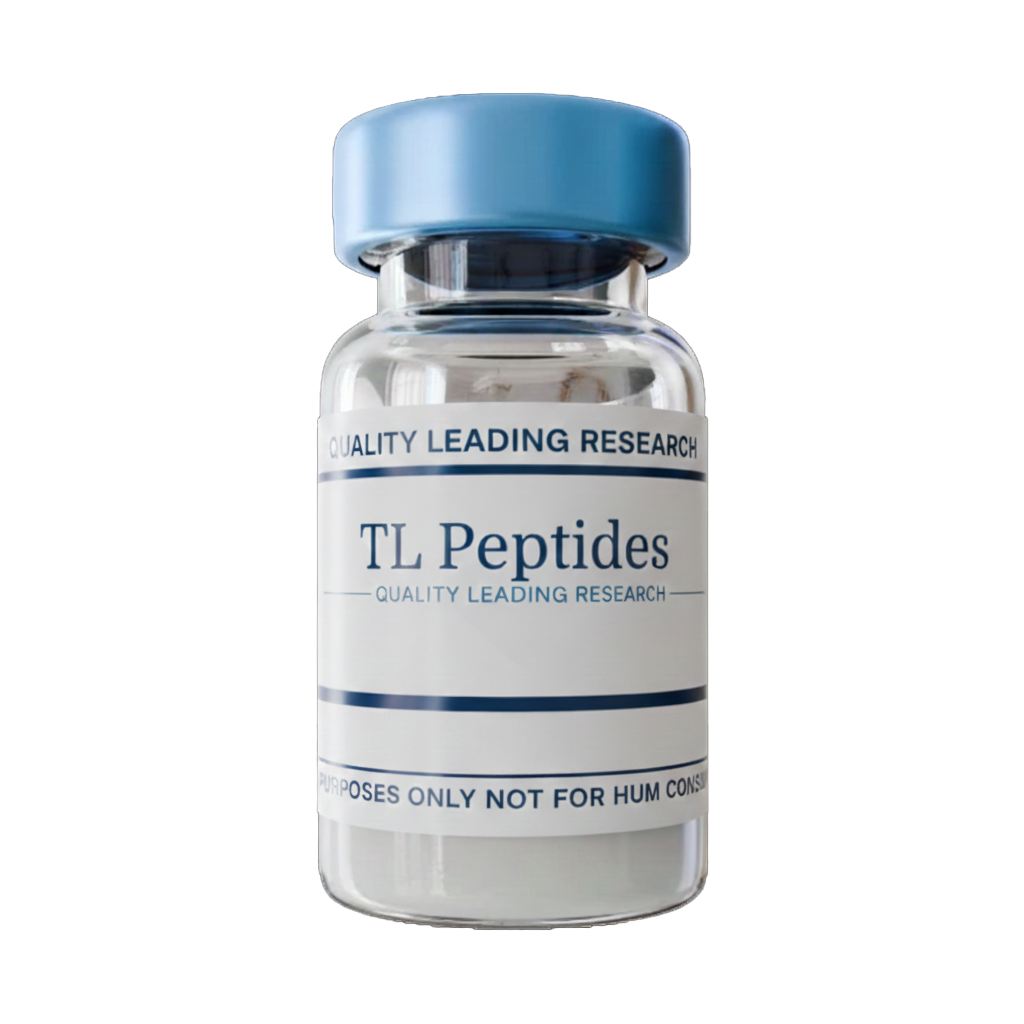
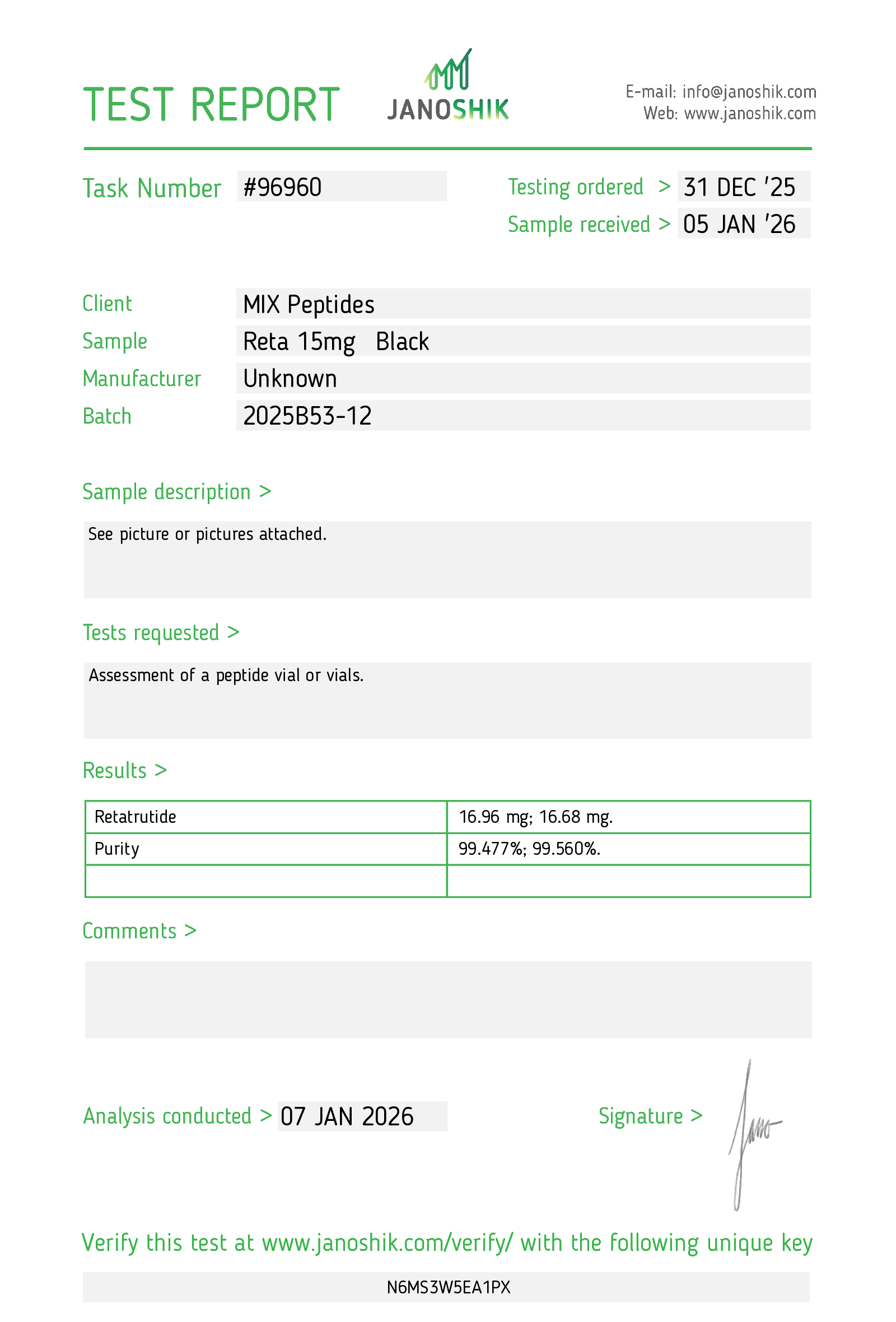
Retatrutide Peptide
Retatrutide is a synthetic peptide that has been investigated in various research studies for its potential effects on glucose metabolism, body weight regulation, and metabolic parameters. The compound functions as a triple receptor agonist targeting glucagon-like peptide-1 (GLP-1), glucose-dependent insulinotropic polypeptide (GIP), and glucagon (GCG) receptors.
Retatrutide is a synthetic peptide composed of 39 amino acids engineered from a GIP peptide backbone to stimulate GLP-1, GIP, and glucagon receptors. The peptide incorporates a C20 fatty diacid moiety conjugated through a hydrophilic linker, which extends its half-life to approximately 6 days, allowing for once-weekly administration.(1)
Overview
Retatrutide has been investigated for its potential in metabolic regulation through its triple receptor agonism mechanism. Studies suggest that the peptide may stimulate insulin secretion from pancreatic beta cells while modulating glucagon release and influencing energy expenditure. The compound appears to bind with GLP-1, GIP, and glucagon receptors, potentially initiating multiple signaling cascades that influence metabolic function.(2)
Research has explored retatrutide’s action across diverse metabolic pathways. The peptide has been studied for its potential effects on glucose homeostasis, body weight regulation, appetite control, hepatic lipid metabolism, and energy expenditure. Laboratory investigations indicate the compound may influence metabolic balance through both central and peripheral mechanisms.(3)
Studies have suggested the peptide may enhance beta-cell function, improve markers of insulin sensitivity, and promote hepatic fat oxidation. The triple receptor activation appears to provide synergistic effects on glucose-dependent insulin secretion, appetite regulation, gastric emptying, and substrate utilization.(4)
Chemical Makeup
Molecular Formula: C208H338N56O68S
Molecular Weight: 4813.5 g/mol (approximate)
Other Known Titles: LY3437943
Research and Clinical Studies
Retatrutide Peptide and Glucose Metabolism
In research studies examining metabolic function, retatrutide was investigated for its potential effects on glucose regulation and insulin secretion. The compound appeared to enhance glucose-dependent insulin secretion while reducing glucagon levels. Research suggested that retatrutide may preferentially stimulate insulin release during hyperglycemic conditions while maintaining glucose-dependent mechanisms.(5)
Studies examining glycemic control indicated that retatrutide appeared to reduce HbA1c levels in a dose-dependent manner. Research in models with type 2 diabetes suggested reductions ranging from 1.3% to 2.2% at 24 weeks with doses from 4 mg to 12 mg. These reductions appeared superior to those observed with comparator GLP-1 receptor agonists.(6)
Investigations examining glucose tolerance suggested that retatrutide may improve both fasting and postprandial glucose concentrations. Research indicated reductions in daily mean blood glucose levels, suggesting comprehensive effects on glucose homeostasis throughout the day.(7)
Retatrutide Peptide and Beta-Cell Function
A study examining beta-cell function markers investigated retatrutide’s potential effects on pancreatic beta-cell responsiveness. Research evaluating homeostatic model assessment indices suggested that retatrutide appeared to improve HOMA-B (beta-cell function) markers in research models with type 2 diabetes.(8)
Investigations suggested that retatrutide may reduce fasting proinsulin levels and improve proinsulin-to-insulin ratios. Research indicated that these improvements in proinsulin processing may reflect enhanced beta-cell function and reduced beta-cell stress.(9)
Studies examining insulin secretion patterns suggested that retatrutide may enhance both first- and second-phase insulin responses. Research indicated that the compound’s effects on beta-cell function appeared to be sustained over extended treatment periods.(8)
Retatrutide Peptide and Insulin Sensitivity
Research examining insulin sensitivity markers suggested that retatrutide may improve multiple biomarkers associated with insulin resistance. Studies indicated reductions in HOMA-IR indices, with research showing improvements of up to 69% from baseline measurements.(10)
Investigations examining fasting insulin and C-peptide concentrations suggested dose-dependent reductions with retatrutide administration. Research indicated that fasting insulin levels appeared to decrease by up to 70% with higher doses, while C-peptide concentrations decreased by up to 50%.(10)
Studies suggested that improvements in insulin sensitivity with retatrutide were only partially explained by weight loss. Research indicated that weight changes accounted for a portion of insulin resistance improvements, suggesting the triple receptor agonism may confer distinct metabolic effects independent of weight reduction.(11)
Retatrutide Peptide and Body Weight Regulation
Research examining body weight changes suggested that retatrutide may influence weight through multiple mechanisms including reduced energy intake, delayed gastric emptying, and increased energy expenditure. Long-term investigations spanning 48 weeks indicated substantial body weight reductions ranging from 8.7% to 24.2% depending on the dose administered.(12)
Studies indicated that at the 12 mg dose, weight reductions of 24.2% were observed at 48 weeks, with participants continuing to lose weight without reaching a plateau. Research suggested that more than 90% of participants receiving 12 mg achieved weight loss of at least 10%, while approximately 83% achieved reductions of 15% or more.(12)
Investigations examining weight loss responders indicated dose-dependent effects. Research suggested that with the 8 mg dose, 100% of participants achieved at least 5% weight loss, 91% achieved at least 10%, and 75% achieved at least 15% weight reduction.(12)
Retatrutide Peptide and Body Composition
Research examining body composition changes suggested that retatrutide may preferentially reduce fat mass while preserving lean mass. Studies utilizing dual-energy X-ray absorptiometry indicated that total fat mass reductions ranged from 15.2% to 26.1% depending on dose, with higher doses associated with greater fat mass reduction.(13)
Investigations suggested that the proportion of lean mass loss to total weight loss with retatrutide appeared similar to other obesity treatments. Research indicated approximately 25-40% of weight loss derived from lean mass, with the majority coming from fat mass reduction.(13)
Studies examining visceral adipose tissue suggested that retatrutide appeared to reduce abdominal and visceral fat deposits. Research indicated that waist circumference reductions were observed across all dose groups, suggesting effects on central adiposity.(14)
Retatrutide Peptide and Hepatic Parameters
Research examining liver fat content suggested that retatrutide may substantially reduce hepatic steatosis. Studies in models with metabolic dysfunction-associated steatotic liver disease indicated relative liver fat reductions of 42.9% to 82.4% at 24 weeks depending on dose.(15)
Investigations suggested that with the 8 mg and 12 mg doses, liver fat reductions exceeded 80% from baseline measurements. Research indicated that most liver fat reduction occurred within the first 24 weeks of treatment, with sustained reductions maintained through 48 weeks.(15)
Studies examining markers of liver injury suggested that retatrutide may improve alanine aminotransferase (ALT) and aspartate aminotransferase (AST) levels. Research indicated improvements in fibrosis markers including FIB-4 index and Enhanced Liver Fibrosis scores.(15)
Retatrutide Peptide and Lipid Metabolism
Research examining lipid parameters suggested that retatrutide may influence multiple aspects of lipid metabolism. Studies indicated potential reductions in triglycerides, with research showing decreases of more than 40% at higher doses.(16)
Investigations suggested that very low-density lipoprotein cholesterol (VLDL-C) and non-HDL cholesterol appeared to decrease with retatrutide treatment. Research in models with obesity indicated improvements in overall lipid profiles across multiple parameters.(16)
Studies examining the relationship between lipid changes and liver fat suggested that triglyceride reductions were significantly associated with hepatic fat improvements. Research indicated that lipid metabolism improvements may contribute to overall metabolic health benefits.(15)
Retatrutide Peptide and Energy Expenditure
Research investigating energy balance suggested that retatrutide’s glucagon receptor activation may enhance energy expenditure beyond effects on energy intake alone. Studies indicated that the glucagon component may promote fatty acid oxidation and thermogenic activity.(17)
Investigations suggested that retatrutide may influence substrate utilization, potentially shifting metabolism toward increased fat oxidation. Research indicated that the compound’s effects on glucagon receptors may enhance lipolysis and hepatic lipid oxidation.(18)
Retatrutide Peptide and Gastric Emptying
Studies examining gastric motility suggested that retatrutide may delay gastric emptying in a dose-dependent manner. Research in animal models indicated that the compound appeared to slow gastric emptying, with effects mediated primarily through GLP-1 receptor activation.(19)
Investigations suggested that chronic treatment may lead to some attenuation of gastric emptying effects over time. Research indicated a pattern consistent with tachyphylaxis observed with other long-acting GLP-1 receptor agonists.(19)
Retatrutide Peptide and Appetite Regulation
Research investigating appetite and food intake suggested that retatrutide may reduce energy consumption through effects on appetite-regulating centers in the brain. Studies indicated that the compound may access hypothalamic regions involved in hunger and satiety signaling.(20)
Investigations suggested that retatrutide may reduce food intake beyond effects attributable to delayed gastric emptying alone. Research indicated dose-dependent reductions in food consumption in preclinical models, with effects sustained over chronic treatment periods.(19)
Retatrutide Peptide and Cardiovascular Parameters
Studies examining cardiovascular risk markers suggested that retatrutide may influence blood pressure parameters. Research indicated reductions in systolic blood pressure with retatrutide administration, suggesting potential cardiovascular benefits.(21)
Investigations examining inflammatory markers suggested that retatrutide may reduce pro-inflammatory cytokines. Research indicated improvements in markers associated with cardiovascular health, though long-term cardiovascular outcome studies are ongoing.(22)
Retatrutide Peptide and Renal Function
Research examining kidney function in diabetic models suggested that retatrutide may influence markers of diabetic kidney disease. Studies in animal models indicated potential improvements in albuminuria and glomerular filtration markers.(23)
Investigations comparing retatrutide with other incretin-based therapies suggested potentially superior effects on renal parameters in preclinical models. Research indicated improvements in kidney structure and function markers in diabetic research models.(23)
Retatrutide Peptide and Receptor Pharmacology
Studies examining receptor binding characteristics indicated that retatrutide demonstrates differential potency across its three target receptors. Research suggested the compound is most potent at the human GIP receptor (EC50: 0.0643 nM), moderately potent at the GLP-1 receptor (EC50: 0.775 nM), and least potent at the glucagon receptor (EC50: 5.79 nM).(24)
Investigations into molecular structure suggested that retatrutide develops a single continuous helical structure allowing it to engage receptor transmembrane domains. Research indicated that the N-terminal segment runs through the receptor’s transmembrane domain, while the C-terminal segment interacts with extracellular components.(24)
Retatrutide Peptide and Molecular Mechanisms
Research examining intracellular signaling pathways suggested that retatrutide activates multiple downstream cascades. Studies indicated that GLP-1 receptor activation may increase intracellular cAMP levels, activating protein kinase A and exchange protein directly activated by cAMP.(25)
Investigations suggested that glucagon receptor activation may promote hepatic gluconeogenesis suppression and enhance fatty acid oxidation. Research indicated that this mechanism may contribute to liver fat reduction beyond weight loss effects.(15)
Studies examining the synergistic effects of triple agonism suggested that combining GLP-1, GIP, and glucagon receptor activation may provide complementary metabolic benefits. Research indicated that this multi-receptor approach may enhance effects on energy intake, substrate utilization, and energy expenditure compared to single or dual receptor agonism.(26)
Available for Research Purposes Only
Retatrutide peptide is available for research and laboratory purposes only. Please review and adhere to our Terms and Conditions before ordering.
References
- Coskun T, Urva S, Roell WC, et al. LY3437943, a novel triple glucagon, GIP, and GLP-1 receptor agonist for glycemic control and weight loss: from discovery to clinical proof of concept. Cell Metab. 2022;34(9):1234-1247.e9.
- Urva S, Coskun T, Loghin C, et al. LY3437943, a novel triple GIP, GLP-1, and glucagon receptor agonist in people with type 2 diabetes: a phase 1b, multicentre, double-blind, placebo-controlled, randomised, multiple-ascending dose trial. Lancet. 2022;400(10366):1869-1881.
- Jastreboff AM, Kaplan LM, Frías JP, et al. Triple-Hormone-Receptor Agonist Retatrutide for Obesity – A Phase 2 Trial. N Engl J Med. 2023;389(6):514-526.
- Hartman ML, Sanyal AJ, Loomba R, et al. Triple hormone receptor agonist retatrutide for metabolic dysfunction-associated steatotic liver disease: a randomized phase 2a trial. Nat Med. 2024;30(6):1636-1645.
- Rosenstock J, Frias J, Jastreboff AM, et al. Retatrutide, a GIP, GLP-1 and glucagon receptor agonist, for people with type 2 diabetes: a randomised, double-blind, placebo and active-controlled, parallel-group, phase 2 trial conducted in the USA. Lancet. 2023;402(10401):529-544.
- Coskun T, Wu Q, Lou J, et al. Retatrutide, an Agonist of GIP, GLP-1, and Glucagon Receptors, Improves Markers of Pancreatic Beta-Cell Function and Insulin Sensitivity. Diabetes. 2024;73(Supplement_1):266-OR.
- Alexiadou K, Anyiam O, Tan TM. Efficacy and safety of retatrutide, a novel GLP-1, GIP, and glucagon receptor agonist for obesity treatment: a systematic review and meta-analysis of randomized controlled trials. Ther Adv Endocrinol Metab. 2025;16:20420188241310715.
- Thomas MK, Nikooienejad A, Bray R, et al. Dual GIP and GLP-1 Receptor Agonist Tirzepatide Improves Beta-cell Function and Insulin Sensitivity in Type 2 Diabetes. J Clin Endocrinol Metab. 2021;106(2):388-396.
- Nahra R, Wang T, Gadde KM, et al. Effects of Cotadutide on Metabolic and Hepatic Parameters in Adults With Overweight or Obesity and Type 2 Diabetes: A 54-Week Randomized Phase 2b Study. Diabetes Care. 2021;44(6):1433-1442.
- Hartman ML, Sanyal AJ, Loomba R, et al. Effects of Novel Dual GIP and GLP-1 Receptor Agonist Tirzepatide on Biomarkers of Nonalcoholic Steatohepatitis in Patients With Type 2 Diabetes. Diabetes Care. 2020;43(6):1352-1355.
- Jastreboff AM, Aronne LJ, Ahmad NN, et al. Tirzepatide Once Weekly for the Treatment of Obesity. N Engl J Med. 2022;387(3):205-216.
- Jastreboff AM, Kaplan LM, Frías JP, et al. Triple–Hormone-Receptor Agonist Retatrutide for Obesity — A Phase 2 Trial. N Engl J Med. 2023;389(6):514-526.
- Coskun T, Wu Q, Chae N, et al. Effects of retatrutide on body composition in people with type 2 diabetes: a substudy of a phase 2, double-blind, parallel-group, placebo-controlled, randomised trial. Lancet Diabetes Endocrinol. 2025;13(1):e1-e14.
- Wilding JPH, Batterham RL, Davies M, et al. Weight regain and cardiometabolic effects after withdrawal of semaglutide: The STEP 1 trial extension. Diabetes Obes Metab. 2022;24(8):1553-1564.
- Hartman ML, Sanyal AJ, Loomba R, et al. Triple hormone receptor agonist retatrutide for metabolic dysfunction-associated steatotic liver disease: a randomized phase 2a trial. Nat Med. 2024;30(6):1636-1645.
- Rosenstock J, Frias J, Jastreboff AM, et al. Retatrutide, a GIP, GLP-1 and glucagon receptor agonist, for people with type 2 diabetes: a randomised, double-blind, placebo and active-controlled, parallel-group, phase 2 trial conducted in the USA. Lancet. 2023;402(10401):529-544.
- Finan B, Yang B, Ottaway N, et al. A rationally designed monomeric peptide triagonist corrects obesity and diabetes in rodents. Nat Med. 2015;21(1):27-36.
- Day JW, Ottaway N, Patterson JT, et al. A new glucagon and GLP-1 co-agonist eliminates obesity in rodents. Nat Chem Biol. 2009;5(10):749-757.
- Rosenstock J, Frias J, Jastreboff AM, et al. Retatrutide dose-dependent effects on gastric emptying and food intake in obesity. Diabetes Obes Metab. 2024;26(3):945-954.
- Gabery S, Salinas CG, Paulsen SJ, et al. Semaglutide lowers body weight in rodents via distributed neural pathways. JCI Insight. 2020;5(6):e133429.
- Lingvay I, Catarig AM, Frias JP, et al. Efficacy and safety of once-weekly semaglutide versus daily canagliflozin as add-on to metformin in patients with type 2 diabetes (SUSTAIN 8): a double-blind, phase 3b, randomised controlled trial. Lancet Diabetes Endocrinol. 2019;7(11):834-844.
- Sattar N, McGuire DK, Pavo I, et al. Tirzepatide cardiovascular event risk assessment: a pre-specified meta-analysis. Nat Med. 2022;28(3):591-598.
- Ma H, Wang X, Zhang W, et al. Retatrutide, a GIP, GLP-1, and glucagon receptor agonist, ameliorates diabetic kidney disease in db/db mice. Pharmacol Res. 2024;199:107041.
- Samms RJ, Coghlan MP, Sloop KW. How May GIP Enhance the Therapeutic Efficacy of GLP-1? Trends Endocrinol Metab. 2020;31(6):410-421.
- Drucker DJ. Mechanisms of Action and Therapeutic Application of Glucagon-like Peptide-1. Cell Metab. 2018;27(4):740-756.
- Coskun T, Urva S, Roell WC, et al. LY3437943, a novel triple glucagon, GIP, and GLP-1 receptor agonist for glycemic control and weight loss: from discovery to clinical proof of concept. Cell Metab. 2022;34(9):1234-1247.e9.
Additional information
| Size | 5mg, 10mg, 15mg, 20mg, 30mg, 50mg |
|---|