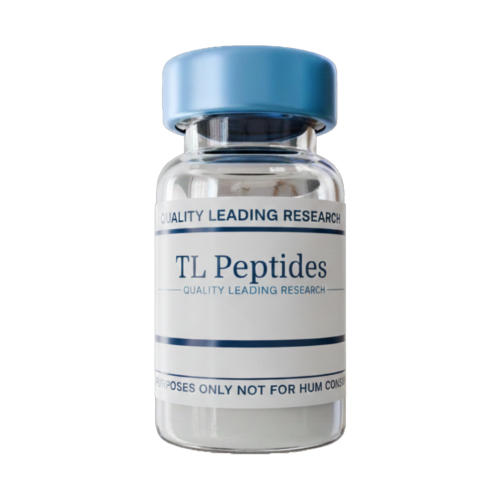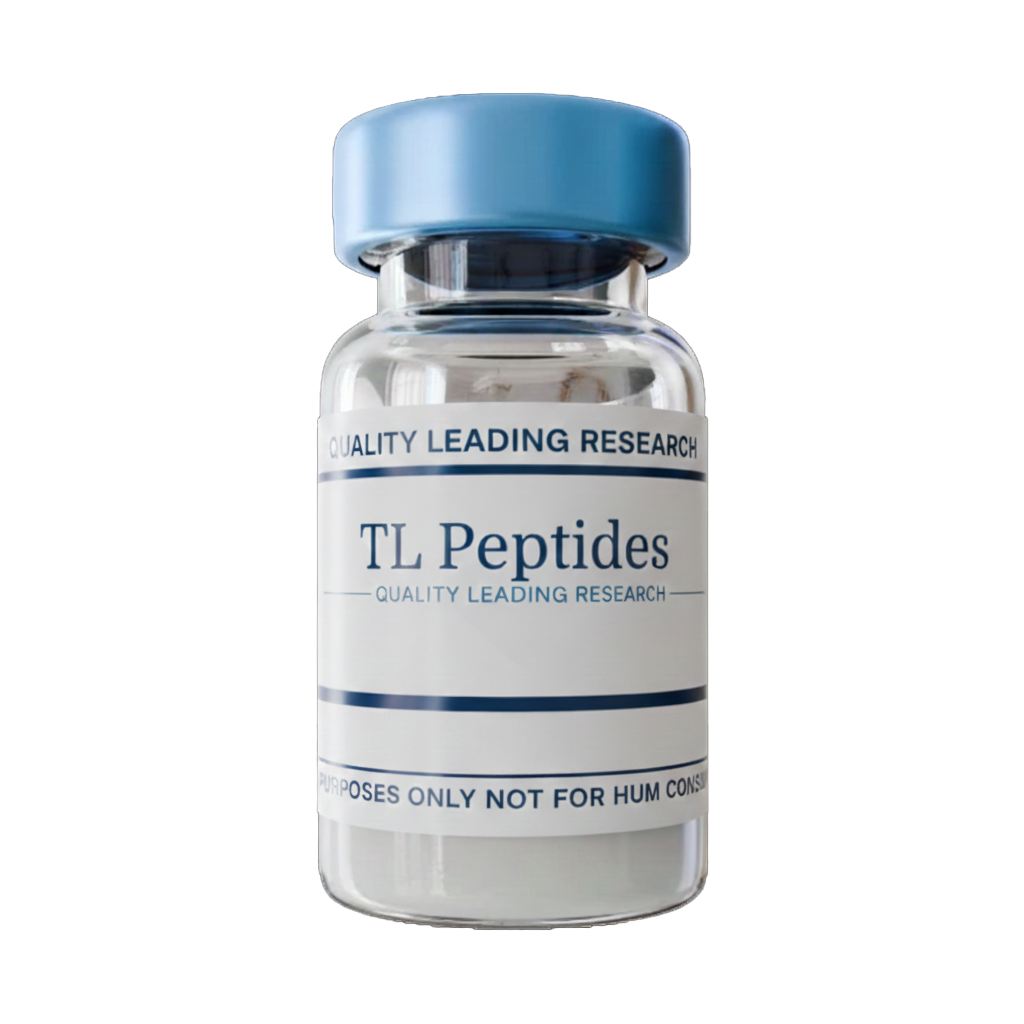
Description
Tirzepatide Peptide
Tirzepatide is a synthetic peptide that has been investigated in various research studies for its potential effects on glucose metabolism, body weight regulation, and metabolic parameters. The compound functions as a dual receptor agonist targeting both glucose-dependent insulinotropic polypeptide (GIP) and glucagon-like peptide-1 (GLP-1) receptors.
Tirzepatide is a synthetic peptide composed of 39 amino acids with dual agonist activity at GIP and GLP-1 receptors. The structure of tirzepatide is based on the native GIP sequence with modifications including the addition of a C20 fatty diacid moiety, which extends its half-life to approximately 5 days, allowing for once-weekly administration.(1)
Overview
Tirzepatide has been investigated for its potential in metabolic regulation through its dual receptor agonism mechanism. Studies suggest that the peptide may stimulate insulin secretion from pancreatic beta cells while modulating glucose production. The compound appears to bind with both GIP and GLP-1 receptors, potentially initiating signaling cascades that influence insulin release and metabolic function.(2)
Research has explored tirzepatide’s action across multiple metabolic pathways. The peptide has been studied for its potential effects on glucose homeostasis, body weight regulation, lipid metabolism, and pancreatic beta-cell function. Laboratory investigations indicate the compound may influence appetite regulation through central nervous system pathways and affect gastric emptying rates.(3)
Studies have suggested the peptide may enhance insulin sensitivity and improve markers of beta-cell function. The dual agonist activity appears to provide complementary effects through simultaneous activation of GIP and GLP-1 receptor pathways, potentially offering broader metabolic impacts than single receptor agonists.(4)
Chemical Makeup
Molecular Formula: C225H348N48O68
Molecular Weight: 4813.5 g/mol
Other Known Titles: LY3298176, Twincretin
Research and Clinical Studies
Tirzepatide Peptide and Glucose Metabolism
In research studies examining metabolic function, tirzepatide was investigated for its potential effects on glucose regulation and insulin secretion. The compound appeared to stimulate insulin release in a glucose-dependent manner, suggesting it may preferentially enhance insulin secretion when blood glucose levels are elevated.(5)
Research utilizing islet cells from human donors demonstrated that tirzepatide’s activity at the GIP receptor appeared indispensable for insulin secretion. The studies indicated that when islet cells were stimulated with tirzepatide, the compound appeared to activate GIP receptors, leading to enhanced insulin release. Interestingly, the research also suggested that tirzepatide stimulated glucagon production, consistent with GIP receptor activity.(6)
Studies evaluating tirzepatide’s mechanism of action suggested the compound may reduce fasting and postprandial glucose concentrations. The peptide appeared to decrease glucagon levels in a glucose-dependent manner, potentially contributing to improved glucose regulation. Research indicated that tirzepatide may enhance both first- and second-phase insulin secretion from pancreatic beta cells.(7)
Tirzepatide Peptide and Beta-Cell Function
A study examining beta-cell function markers in research models with type 2 diabetes investigated tirzepatide’s potential effects. Homeostatic model assessment indices for beta-cell function appeared to increase significantly with tirzepatide administration compared to control groups. The research suggested improvements in fasting proinsulin levels and proinsulin/C-peptide ratios.(8)
Researchers observed that tirzepatide administration appeared to reduce fasting proinsulin levels by approximately 49-55% compared to baseline measurements. The proinsulin/insulin and proinsulin/C-peptide ratios also appeared to decrease significantly. These findings suggested potential improvements in pancreatic beta-cell stress and function, as elevated proinsulin levels have been associated with beta-cell dysfunction.(8)
Research evaluating glucose-adjusted glucagon levels indicated that tirzepatide appeared to reduce these markers by 37-44% compared to control groups. The compound appeared to improve beta-cell function through multiple mechanisms, potentially including enhanced proinsulin processing and reduced beta-cell stress.(9)
Tirzepatide Peptide and Insulin Sensitivity
Studies investigating insulin sensitivity markers suggested that tirzepatide may improve multiple biomarkers associated with insulin resistance. Research indicated reductions in homeostatic model assessment for insulin resistance (HOMA2-IR) indices with tirzepatide administration.(10)
Adiponectin, a protein involved in glucose and lipid metabolism regulation, appeared to increase with tirzepatide treatment. Research suggested adiponectin levels increased by 16-23% from baseline measurements over 40-week study periods. Adiponectin increases have been associated with improvements in insulin sensitivity in various research contexts.(10)
Additional biomarkers including insulin-like growth factor binding proteins (IGFBP-1 and IGFBP-2) appeared to increase with tirzepatide administration. Research indicated IGFBP-2 levels increased by 38-70% from baseline, suggesting potential improvements in insulin signaling pathways. These proteins are considered markers of insulin sensitivity in research models.(11)
Investigations suggested that improvements in insulin sensitivity markers with tirzepatide were only partially attributable to weight changes. Multiple linear regression analyses indicated that weight changes explained approximately 13-21% of insulin resistance improvements, suggesting the dual receptor agonism may confer distinct metabolic effects independent of weight reduction.(11)
Tirzepatide Peptide and Lipid Metabolism
Research examining lipid parameters suggested that tirzepatide may influence multiple aspects of the lipid profile. Studies indicated potential reductions in total cholesterol, low-density lipoprotein cholesterol (LDL-C), and triglyceride levels with tirzepatide administration.(12)
A meta-analysis of research studies demonstrated dose-dependent effects on lipid markers across 5, 10, and 15 mg doses. The analysis suggested increasingly pronounced improvements in cholesterol and triglyceride levels with higher doses. Research indicated that at the 15 mg dose, LDL cholesterol levels appeared to decrease, accompanied by potential improvements in LDL particle size.(13)
Studies also suggested that tirzepatide may increase high-density lipoprotein cholesterol (HDL-C) levels. Research from various clinical investigations indicated improvements in the overall lipid profile, with effects appearing in both research models with diabetes and those without diabetes.(12)
The peptide’s effects on apolipoprotein markers were also investigated. Research suggested potential reductions in apoC-III and apoB levels, which are implicated in cardiovascular risk in various research contexts. These findings indicated that tirzepatide’s lipid-modifying effects may extend beyond traditional lipid parameters.(13)
Tirzepatide Peptide and Body Weight Regulation
Studies examining body weight changes suggested that tirzepatide may influence weight through multiple mechanisms. Research indicated the compound may affect appetite regulation, gastric emptying, and energy balance.(14)
Investigations into gastric emptying suggested that tirzepatide appeared to delay the passage of food through the digestive tract, particularly after initial doses. Research in healthy participants and those with type 2 diabetes indicated that gastric emptying delays were observed after initial administration, though some studies suggested this effect may diminish with continued exposure.(15)
Research exploring central nervous system effects suggested that GIP signaling may influence hypothalamic feeding centers. Studies indicated that tirzepatide’s effects on appetite may involve both peripheral and central mechanisms, potentially contributing to reduced food intake and satiety enhancement.(14)
Long-term research studies indicated substantial body weight reductions in research participants. Investigations spanning 72 weeks suggested weight reductions ranging from 16.5% to 22.4% depending on the dose administered, with higher doses associated with greater weight changes.(2)
Tirzepatide Peptide and Cardiovascular Parameters
Research examining cardiovascular biomarkers suggested that tirzepatide may influence several parameters relevant to cardiovascular health. Studies indicated potential improvements in blood pressure measurements, with reductions observed in both systolic and diastolic blood pressure.(16)
A post-hoc analysis evaluating predicted atherosclerotic cardiovascular disease (ASCVD) risk using a validated risk engine suggested that tirzepatide may reduce 10-year predicted ASCVD risk. The analysis indicated relative risk reductions ranging from 16.4% to 23.5% compared to control groups, based on modifiable risk factors including blood pressure, cholesterol levels, and other parameters.(17)
Meta-analyses of cardiovascular event data from multiple research trials suggested that tirzepatide did not increase the risk of major adverse cardiovascular events. The analyses indicated hazard ratios below 1.0 for various cardiovascular endpoints, suggesting a neutral to potentially favorable cardiovascular profile in research settings.(18)
Tirzepatide Peptide and Hepatic Parameters
Studies investigating hepatic markers suggested that tirzepatide may influence liver fat content and related parameters. Research indicated reductions in hepatic steatosis index, a measure associated with liver fat accumulation.(19)
Investigations in research models with diet-induced obesity suggested that tirzepatide administration appeared to reduce circulating triglyceride levels and free fatty acids while lowering hepatic fat content. These effects appeared to be accompanied by improvements in systemic insulin sensitivity.(15)
The peptide’s effects on hepatic glucose production were also investigated. Research suggested that tirzepatide may reduce the amount of glucose produced by the liver, potentially contributing to overall glucose regulation.(7)
Tirzepatide Peptide and Energy Metabolism
Research examining energy metabolism suggested that tirzepatide may influence both energy intake and energy expenditure. Studies indicated the compound’s primary mechanism for weight reduction appeared to involve reduced food intake, though additional mechanisms including increased energy expenditure have been hypothesized.(20)
Investigations into adipose tissue effects suggested that GIP receptor activation may influence insulin sensitivity in adipocytes. Research indicated that tirzepatide may enhance insulin-stimulated glucose deposition in skeletal muscle and adipose tissue, suggesting improved metabolic efficiency.(15)
Studies examining white and brown adipose tissue suggested that the GIP component of tirzepatide may play a role in dietary triglyceride clearance and lipid storage regulation. Research in animal models indicated improvements in lipid handling in adipose tissue with tirzepatide administration.(15)
Available for Research Purposes Only
Tirzepatide peptide is available for research and laboratory purposes only. Please review and adhere to our Terms and Conditions before ordering.
References
- Frias JP. Tirzepatide: a glucose-dependent insulinotropic polypeptide (GIP) and glucagon-like peptide-1 (GLP-1) dual agonist in development for the treatment of type 2 diabetes. Expert Rev Endocrinol Metab. 2020;15(6):379-394. https://pubmed.ncbi.nlm.nih.gov/33030356/
- Jastreboff AM, Aronne LJ, Ahmad NN, et al. Tirzepatide Once Weekly for the Treatment of Obesity. N Engl J Med. 2022;387(3):205-216. https://www.nejm.org/doi/full/10.1056/NEJMoa2206038
- Thomas MK, Nikooienejad A, Bray R, et al. Dual GIP and GLP-1 Receptor Agonist Tirzepatide Improves Beta-cell Function and Insulin Sensitivity in Type 2 Diabetes. J Clin Endocrinol Metab. 2021;106(2):388-396. https://pubmed.ncbi.nlm.nih.gov/33236115/
- Heise T, Mari A, DeVries JH, et al. Tirzepatide reduces appetite, energy intake, and fat mass in people with type 2 diabetes. Diabetes Care. 2023;46(2):998-1004.
- Rosenstock J, Wysham C, Frías JP, et al. Efficacy and safety of a novel dual GIP and GLP-1 receptor agonist tirzepatide in patients with type 2 diabetes (SURPASS-1): a double-blind, randomised, phase 3 trial. Lancet. 2021;398(10295):143-155.
- Campbell JE, Ussher JR, Mulvihill EE, et al. TCF1 links GIPR signaling to the control of beta cell function and survival. Nat Med. 2016;22(1):84-90. https://corporate.dukehealth.org/news/tirzepatide-has-unique-activity-stimulate-insulin-secretion
- Wilson JM, Lin Y, Fu H, et al. The dual glucose-dependent insulinotropic polypeptide and glucagon-like peptide-1 receptor agonist tirzepatide improves cardiovascular risk biomarkers in patients with type 2 diabetes: a post hoc analysis. Diabetes Obes Metab. 2022;24(1):148-153.
- Dahl D, Onishi Y, Norwood P, et al. Effect of Subcutaneous Tirzepatide vs Placebo Added to Titrated Insulin Glargine on Glycemic Control in Patients With Type 2 Diabetes: The SURPASS-5 Randomized Clinical Trial. JAMA. 2022;327(6):534-545.
- Brown KL, Frias JP, Maldonado JM, et al. Tirzepatide as Monotherapy Improved Markers of Beta-cell Function and Insulin Sensitivity in Type 2 Diabetes (SURPASS-1). J Endocr Soc. 2023;7(5):bvad056. https://pubmed.ncbi.nlm.nih.gov/37153701/
- Frias JP, De Block C, Brown K, et al. Tirzepatide Improved Markers of Islet Cell Function and Insulin Sensitivity in People With T2D (SURPASS-2). J Clin Endocrinol Metab. 2024;109(7):1745-1752.
- Thomas MK, Nikooienejad A, Bray R, et al. Dual GIP and GLP-1 Receptor Agonist Tirzepatide Improves Beta-cell Function and Insulin Sensitivity in Type 2 Diabetes. J Clin Endocrinol Metab. 2021;106(2):388-396. https://pmc.ncbi.nlm.nih.gov/articles/PMC7823251/
- Cho YK, Lee YL, Jung CH. The cardiovascular effect of tirzepatide: a glucagon-like peptide-1 and glucose-dependent insulinotropic polypeptide dual agonist. J Lipid Atheroscler. 2023;12(3):213-222. https://pmc.ncbi.nlm.nih.gov/articles/PMC10548186/
- Wharton S, Davies M, Dicker D, et al. The Effects of Tirzepatide on Lipid Profile: A Systematic Review and Meta-Analysis of Randomized Controlled Trials. J Clin Med. 2024;13(24):7833. https://pubmed.ncbi.nlm.nih.gov/39681390/
- Garvey WT, Frias JP, Jastreboff AM, et al. Tirzepatide once weekly for the treatment of obesity in people with type 2 diabetes (SURMOUNT-2): a double-blind, randomised, multicentre, placebo-controlled, phase 3 trial. Lancet. 2023;402(10402):613-626.
- Coskun T, Sloop KW, Loghin C, et al. LY3298176, a novel dual GIP and GLP-1 receptor agonist for the treatment of type 2 diabetes mellitus: From discovery to clinical proof of concept. Mol Metab. 2018;18:3-14.
- Patoulias D, Papadopoulos C, Fragakis N, Doumas M. Effect of tirzepatide on blood pressure and lipids: A meta-analysis of randomized controlled trials. J Cardiovasc Pharmacol. 2023;82(5):333-339. https://pubmed.ncbi.nlm.nih.gov/37700437/
- Hankosky ER, Wang H, Neff LM, et al. Tirzepatide reduces the predicted risk of atherosclerotic cardiovascular disease and improves cardiometabolic risk factors in adults with obesity or overweight: SURMOUNT-1 post hoc analysis. Diabetes Obes Metab. 2024;26(3):1099-1109.
- Sattar N, McGuire DK, Pavo I, et al. Tirzepatide cardiovascular event risk assessment: a pre-specified meta-analysis. Nat Med. 2022;28(3):591-598.
- Del Prato S, Kahn SE, Pavo I, et al. Tirzepatide versus insulin glargine in type 2 diabetes and increased cardiovascular risk (SURPASS-4): a randomised, open-label, parallel-group, multicentre, phase 3 trial. Lancet. 2021;398(10313):1811-1824.
- Frias JP, Davies MJ, Rosenstock J, et al. Tirzepatide versus Semaglutide Once Weekly in Patients with Type 2 Diabetes. N Engl J Med. 2021;385(6):503-515.
Additional information
| Size | 10mg, 20mg, 30mg, 40mg, 60mg |
|---|